Systems Engineering

Systems engineering and program management.

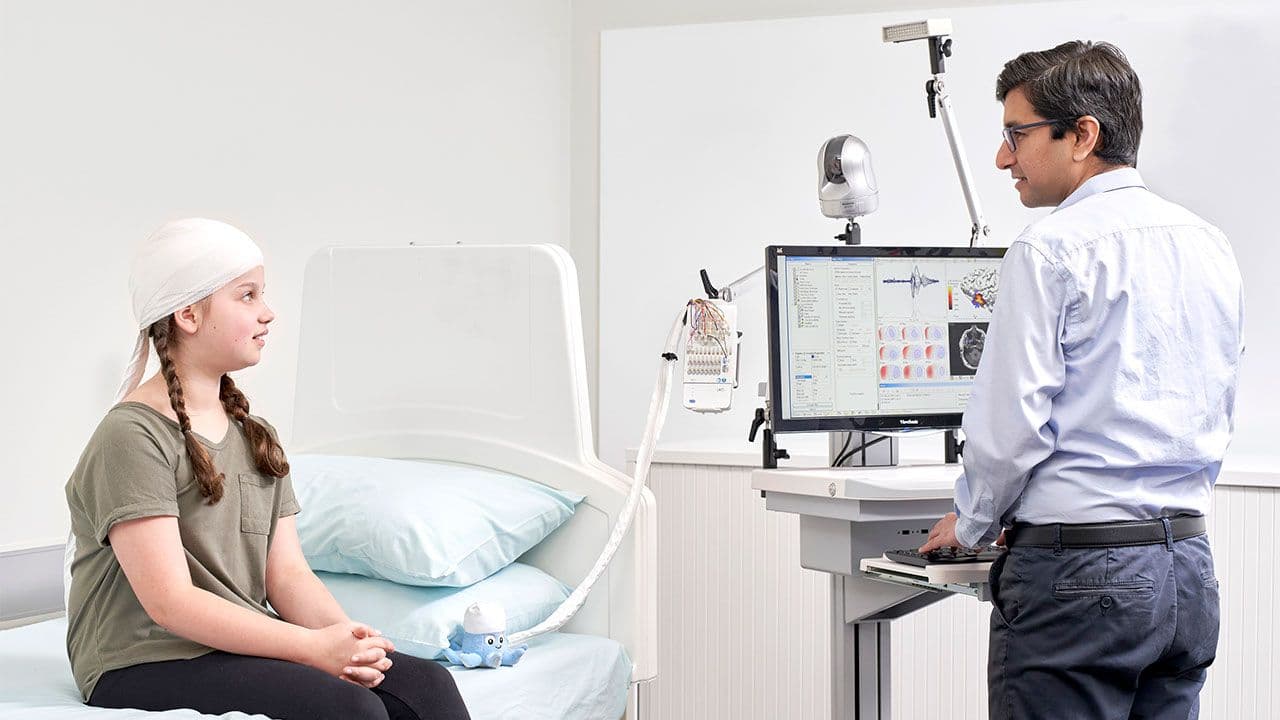
Doctor talks to a young patient wearing sensor equipment

One Team, Every Discipline, One Deadline.

Our program managers and systems engineers manage and coordinate the complex multidisciplinary product development programs and projects we thrive on.

Coordinating VinFast's engineering team across time zones, while running multiple design variants in parallel, is what kept the VF3 on schedule from concept to a 3.19 metre production car. Nobody on that program was waiting on someone else's handoff to start their part.

At OuterSpace, we work end-to-end, taking the end user's needs and development constraints and translate all of it into clear requirements that help develop and deliver products that succeed. IIndustrial design, mechanical, electronic and firmware teams work from the same picture developed from the system engineering approach of the problem, because we've already reconciled it.
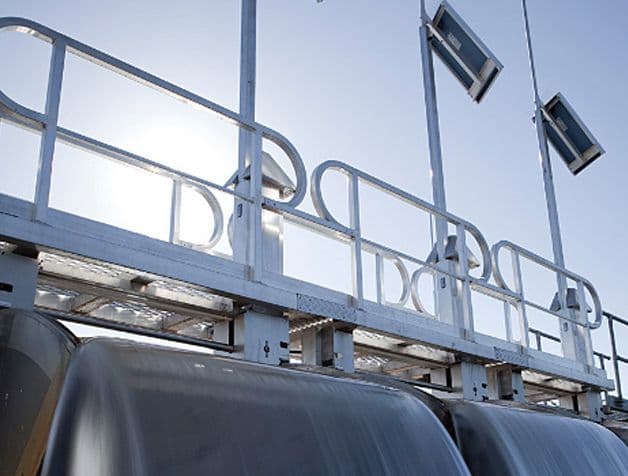
Image for section

Our Systems Engineering development approach shapes decisions from day one, not just the paperwork at the end.

Compliance Isn't a Phase, It's a Constraint

Our systems engineers focus on the entire product or system, considering the needs of end users as well as those of development, production, logistics, and support.

We manage alignment to standards like ISO 13485, ISO 12207 and IEC 61508 from the start of a program, not as a review stage bolted onto the end. For Brolga, that meant coordinating directly with Water Source's specialists to meet Australian and WHO drinking water standards across a networked, multi-site rollout.
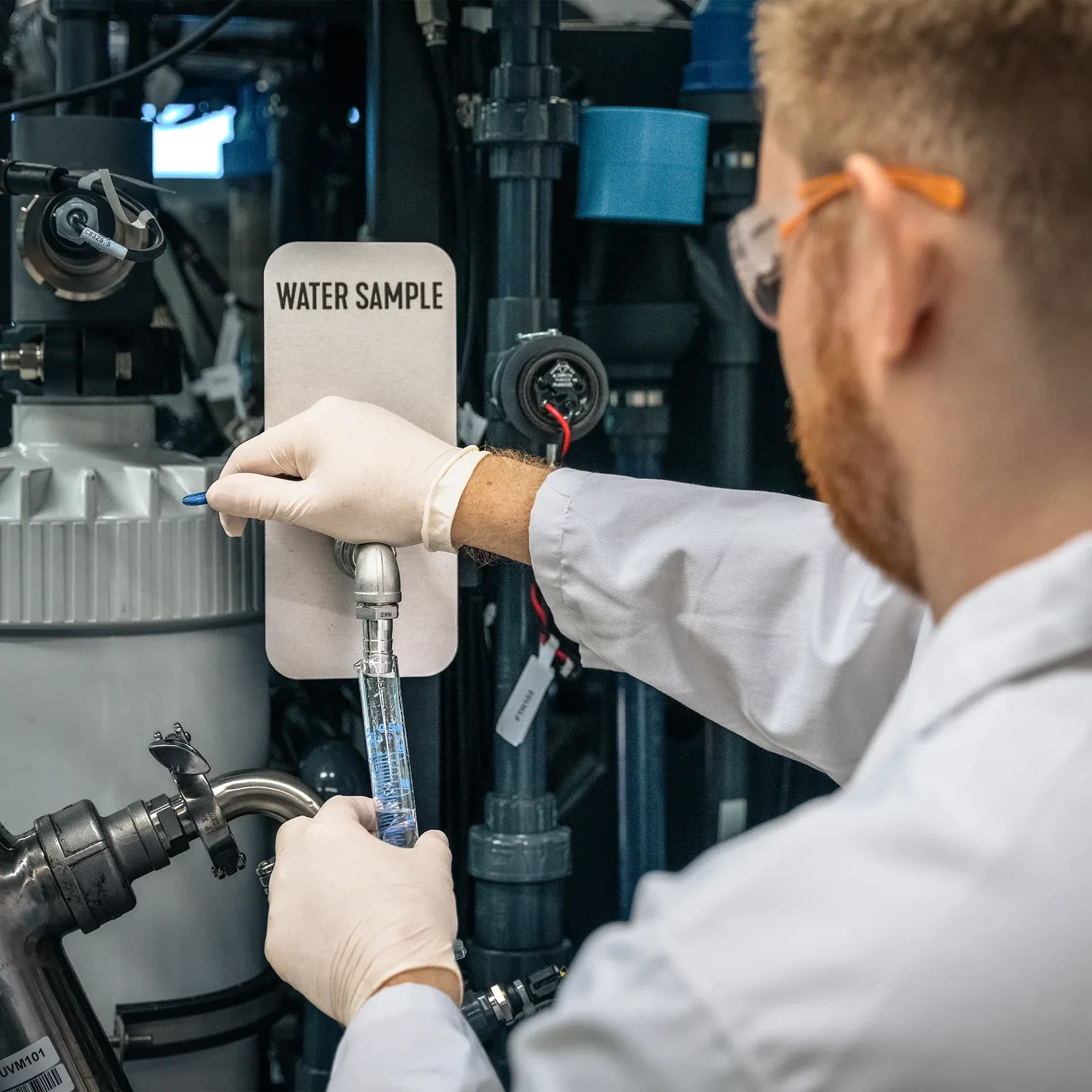
Image for section

Program and Project Management

Our project managers carefully balance the triple constraint, ensuring projects stay on schedule, within budget, and aligned with scope.

Our project team is trained in systems thinking and works closely with our systems engineers to coordinate multidisciplinary efforts and deliver successful project outcomes.

Image for section

In-house capabilities:

Agile methodology, V-model, waterfall, requirements traceability, risk management practice, triple constraint management

Standards we work to: ISO 13485, ISO 12207, MIL-STD-882, IEC 61508, IEC 60601, ISO 14971

1/6

Featured Systems and Program Projects

See it built. Program and Systems Engineering Work.
Night Mode LED Lighting Kits for LEGO® Sets
Brolga Micro Water Treatment Plant
Wearable Personal KinetiGraph
Modular utility bed
Modular utility bed
TourniCare Blood pressure cuff
Call centre communication system

Process

With over three decades of experience we're experts in product development, accelerating to production and launch.

Read more
01.
Research
We investigate and analyse the business, market and user dimensions of an idea.
02.
Plan
Based on clear user, market and product requirement inputs, we develop system architectures and a project development path.
03.
Design
We generate aesthetic, engineering and technology concepts for initial evaluation.
04.
Engineer
We refine and engineer all of a product’s technical systems including mechanical, electronic and firmware systems.
05.
Verify
We develop test plans and support verification activities against engineering specifications or undertake fault analysis.
06.
Release
We develop full manufacturing documentation and support vendor qualification and selection to facilitate smooth transfer.

Our Expertise

Our proprietary multidisciplinary process balances creative design and advanced technical capabilities across mechanical, electronic, firmware, and systems engineering.
Electronic engineering
01
Electronic engineering
Firmware Design
02
Firmware Design
Systems Engineering
03
Systems Engineering
Industrial Design
04
Industrial Design
Mechanical Engineering
05
Mechanical Engineering

Frequently Asked Questions

01.
Does Systems Engineering slow down development?
No. Good Systems Engineering accelerates development by avoiding rework, clarifying requirements, reducing ambiguity, and enabling smoother integration. It focuses effort where it matters most.
02.
How does Systems Engineering support innovation?
It provides structured methods—such as trade studies, modelling, and architecture exploration—that allow teams to confidently compare alternatives and choose the most promising technology or design path.
03.
How early should Systems Engineering get involved in a project?
Ideally, from the very beginning. Early involvement helps clarify the problem, define requirements, evaluate concepts, and prevent costly design decisions made in the early stages without sufficient analysis.
04.
Is Systems Engineering only for large or highly regulated projects?
No. While essential in regulated environments, Systems Engineering is also valuable for small or fast-moving projects because it improves clarity, reduces waste, and supports better decision-making.
05.
How does Systems Engineering improve communication between teams?
Systems Engineers act as technical integrators, ensuring that mechanical, electrical, software, manufacturing, and business teams share a unified understanding of the project goals, constraints, and interfaces.
06.
What industries benefit from Systems Engineering?
Any industry building complex products or services—such as medical devices, defence, aerospace, rail, industrial automation, consumer electronics, and digital products—benefits from a systems approach.
07.
Why is Systems Engineering important for a company?
Systems Engineering reduces project risk, prevents costly rework, and ensures that the final product meets its intended purpose. It creates a structured, traceable path from concept to delivery, improving quality and efficiency.
08.
What do systems engineers do?
Systems engineers follow an established systems engineer lifecycle model to solve problems and devise solutions in a controlled manner. The most well-known model is the V-model, where the first half of the process iteratively decomposes and specifies the system into smaller, more manageable chunks. The second half involves integrating and verifying the chunks to form the complete system.
09.
What is the difference between a systems engineer and other engineers?
A systems engineer works at a multi-disciplinary level. They often are a senior engineer within another specific discipline before transitioning to focus on multi-disciplinary problems.
10.
What is systems Engineering?
Systems Engineering is a multidisciplinary approach to defining, designing, integrating, and validating complex products or systems throughout their entire lifecycle. It ensures that all technical, business, and user needs are clearly understood and met.

"Our long association with Outerspace has delivered substantial benefits to our development process. This has resulted in medical products that now receive international attention and are achieving record sales."

Warwick Freeman

Chief Technology Officer, Compumedics

"I have worked with Outerspace for a number of years on quite a few products, and can highly recommend their services. We even managed to win a Worldstar packaging award on the back of one of their designs."

John Sprout-Smith

"Outerspace proved to be the ideal partner working closely with our hardware design, manufacturing and software teams around the world to realise our vision"

Geoffrey Wanless

Chief Technology Officer, Swann Communications

"Our interaction with Outerspace has been truly exceptional. They not only comprehended our requirements but also skilfully transformed our vision into reality. Their unparalleled expertise and competency truly set them apart!"

The 1MILLIKELVIN Team

"...the team at Outerspace Design demonstrate exceptional professional integrity and consistently earn the trust of their collaborators ... I highly recommend Outerspace to anyone who values trust, reliability, and a collaborative approach to professional partnerships."

S Vee

"I had the pleasure of collaborating with the team at Outerspace Design in Melbourne, and I can’t recommend them highly enough. From the outset, their professional and innovative approach to design was evident in every interaction..."

Steve Roche

Ready to discuss your next project. Let's talk.

Loading form…